Start from a process that already runs
Camunda 8 processes built with the @bpmnkit/core builder: laid out, with
job types, IO mappings, correlation keys, timers and error codes in place. Every template
lints clean and ships with test scenarios — a happy path and at least one alternative — that
pass on @bpmnkit/engine. Open one in the editor, download the .bpmn,
or write it into your project with casen template use.
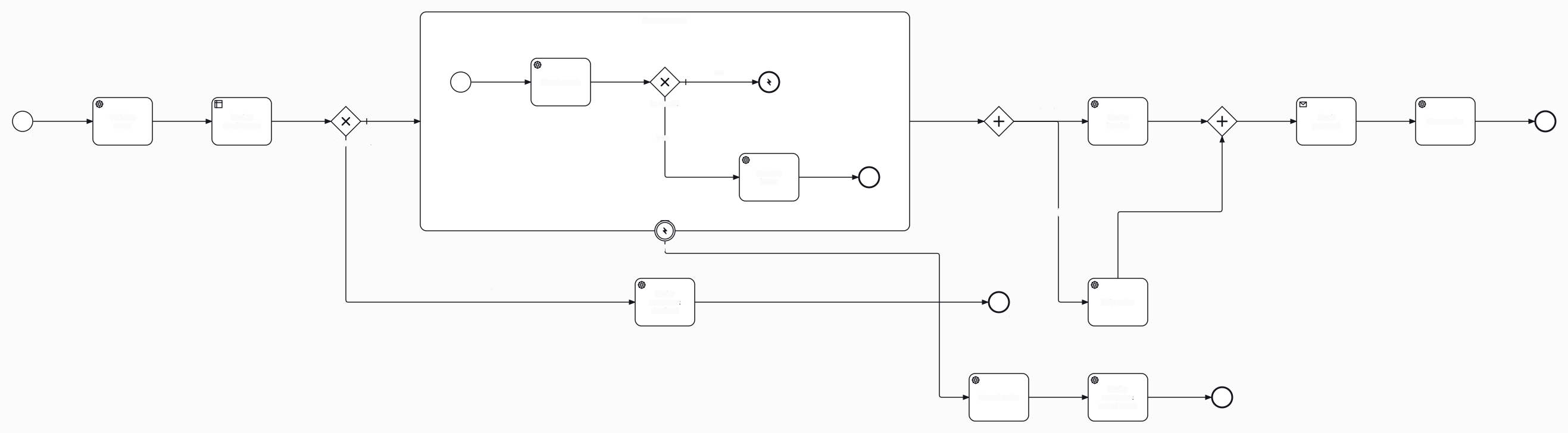
Order to Cash
Takes an order from receipt to cash in the bank. A DMN table sets the credit decision, stock is reserved in a sub-process that throws OUT_OF_STOCK when it cannot be, invoicing and shipping run in parallel, and the instance waits for the payment message correlated on the order id before closing the order. An out-of-stock order is cancelled and the customer is told why.
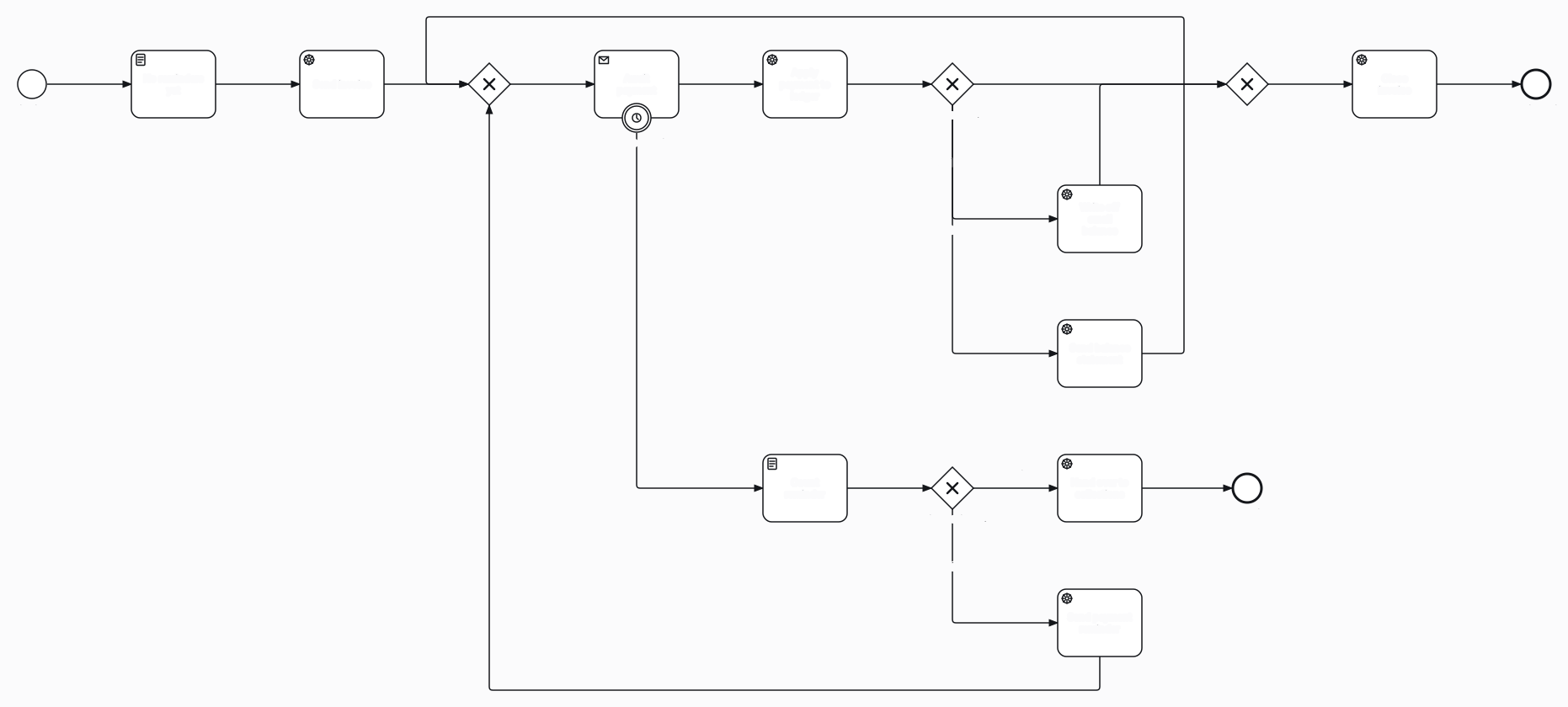
Payment Collection & Dunning
Sends an invoice and waits for the payment message, correlated on the invoice id. Each payment is applied to the ledger: a settled invoice is closed, a balance under 5 is written off, and a larger balance gets a statement before waiting again. Every 14 days without payment a reminder goes out, and after the third the invoice is handed to collections.

Purchase Request Approval
Routes a purchase request through a delegation-of-authority matrix kept in DMN, so finance can change who approves what without touching the process. Small requests are approved automatically; the rest go to the approver group the table names, and an approved request becomes a purchase order in the ERP.

Expense Report Approval
Totals an expense report with a FEEL script, reimburses small reports straight away and sends the rest to the employee's manager. If the manager has not acted within two days an interrupting timer takes the review away and hands it to finance, so no report waits forever. Approved reports are paid; rejected ones go back to the employee.
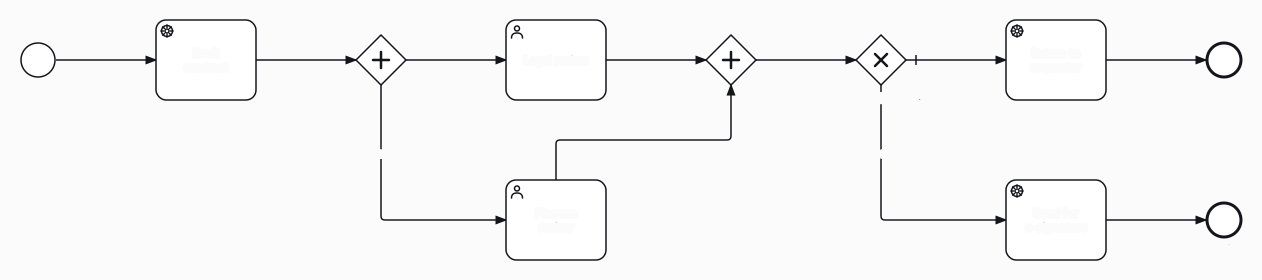
Contract Approval (Parallel Review)
Drafts a contract from a template, then asks legal and finance to review it at the same time instead of one after the other. A parallel join waits for both verdicts; only a contract both approve is sent for e-signature, and anything else goes back to the requester with the reviewers' comments.
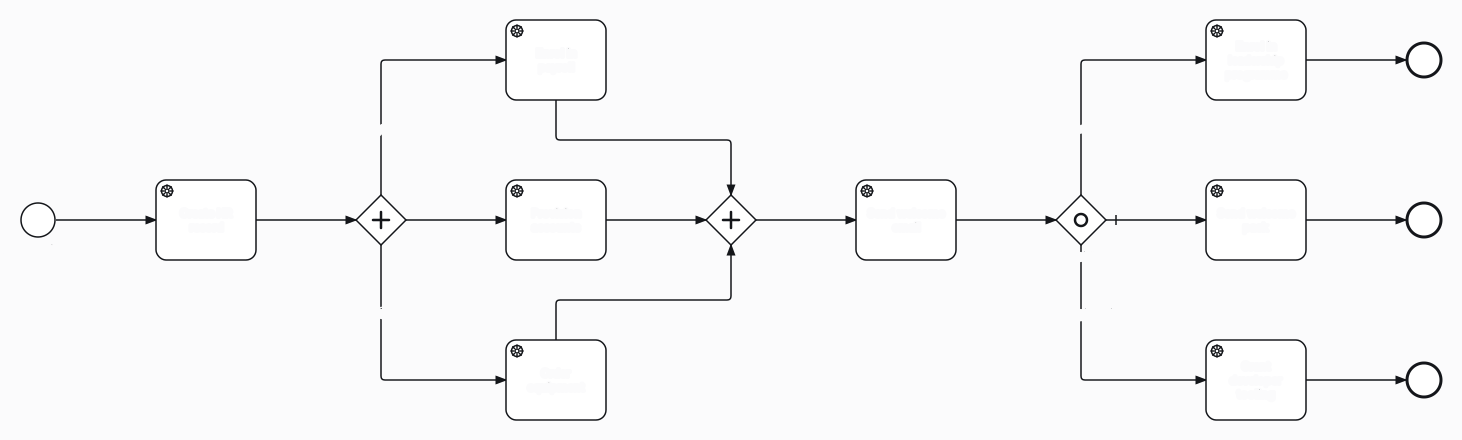
Employee Onboarding
Starts when a contract is signed: the HR record is created, then accounts, equipment and payroll are set up in parallel so the new hire has everything on day one. An inclusive gateway adds role-specific steps — developer tooling for engineers, the leadership programme for managers — and everyone else gets the standard welcome pack.

Customer KYC Onboarding
Opens a customer account only after know-your-customer checks. Identity is verified and the customer is screened against sanctions lists, a DMN table turns the results into a risk tier, low-risk customers are onboarded automatically, and anything else waits for a compliance analyst whose decision is final.

Incident Escalation
Turns a monitoring alert into a managed incident. A DMN table classifies severity from customer impact and error rate; minor alerts become backlog tickets, everything else pages the on-call engineer. If nobody acknowledges within 15 minutes an interrupting timer escalates to the incident commander, and a Sev 1 ends with a post-mortem.
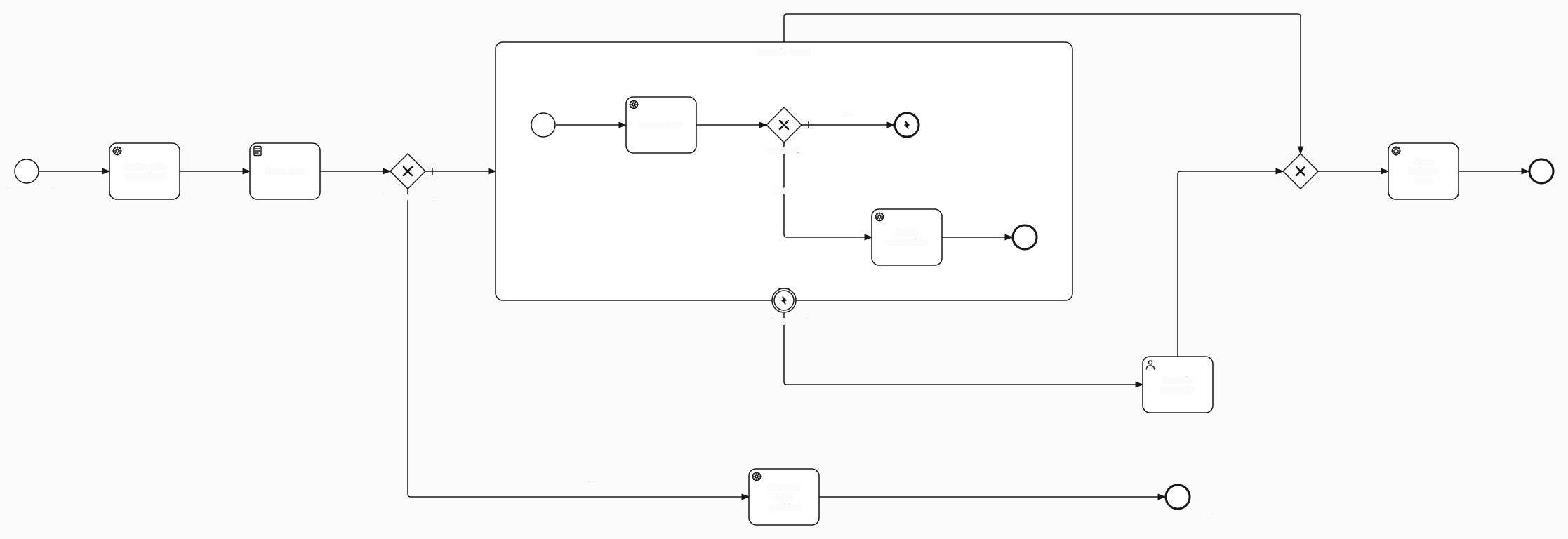
Security Alert Triage
Triages alerts from a SIEM. Each alert is enriched with threat intelligence and scored with a FEEL script; low scores are closed as false positives. Real threats are contained in a sub-process that isolates the host and resets credentials — if isolation fails it throws CONTAINMENT_FAILED and a tier-2 analyst contains it by hand — and every contained alert opens a case.

Invoice Capture
Reads supplier invoices with an extraction service and checks that net plus tax equals gross in a FEEL script. Invoices that add up and were read with high confidence post straight to the ERP; the rest are shown to an accounts-payable clerk in a Camunda form to correct before posting.
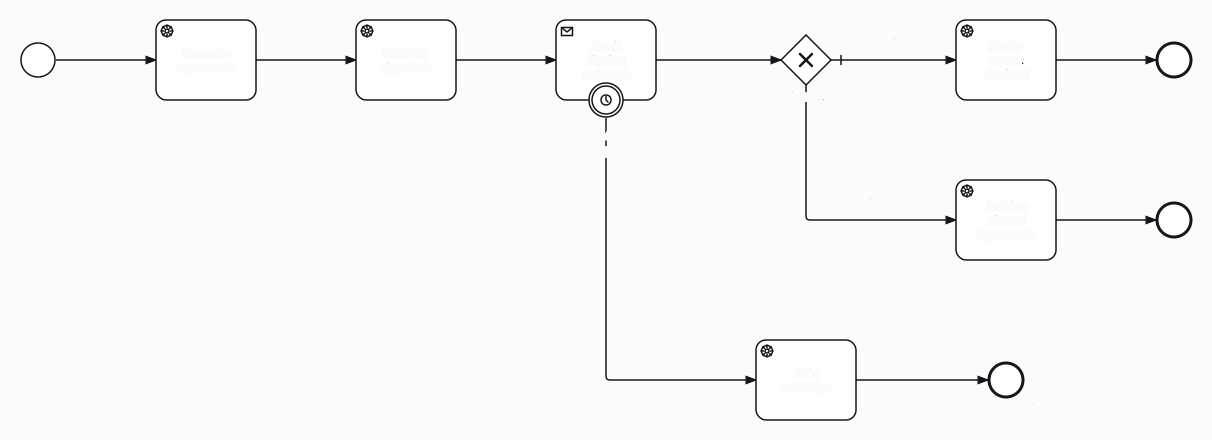
Document E-Signature
Generates an agreement, sends it for e-signature and waits for the provider's callback, correlated on the envelope id. A signed agreement is archived; a declined one goes back to its owner; and if nothing comes back in 14 days an interrupting timer voids the envelope so it cannot be signed late.
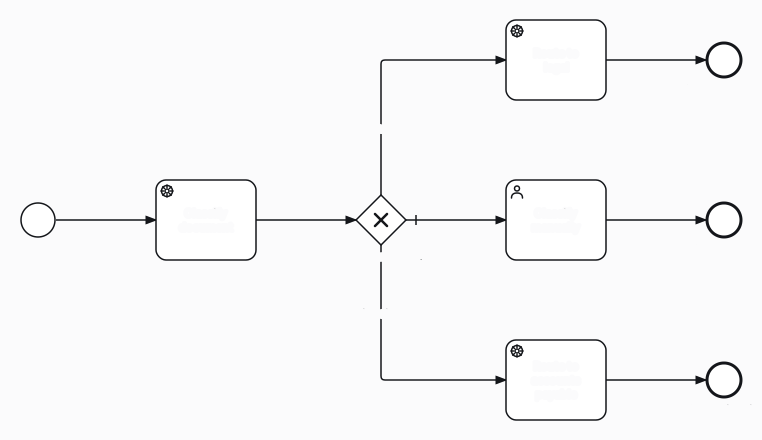
AI Document Classification
Classifies incoming documents with one model call that returns JSON, then routes each to the team that owns it: invoices to accounts payable, contracts to legal. Anything the model is unsure about — low confidence or an unknown type — lands with a human who files it by hand.
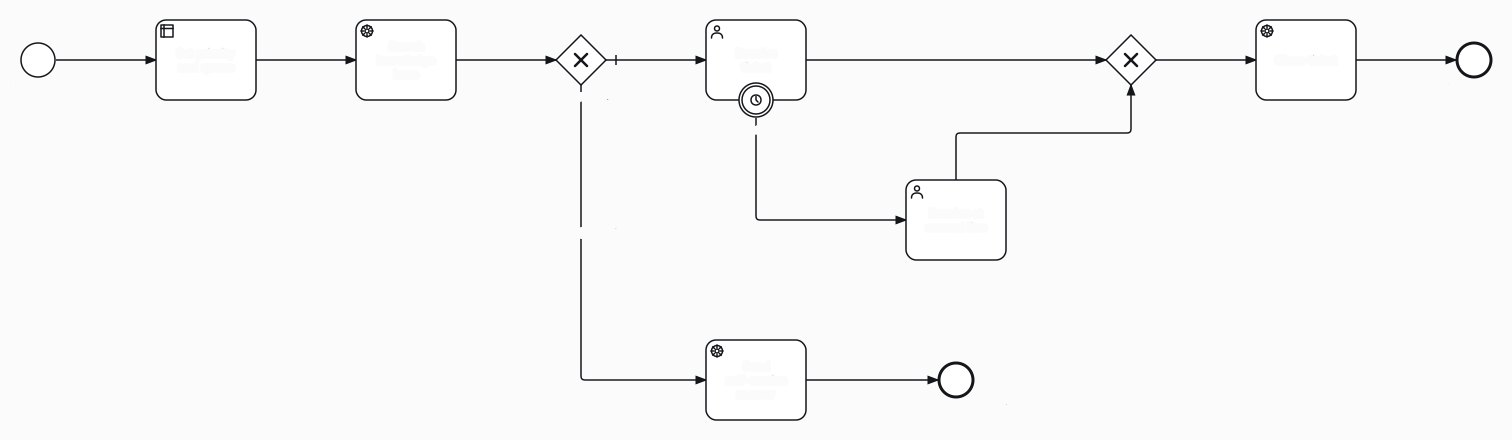
Support Ticket SLA
Handles a support ticket against a response-time SLA. A DMN table sets the priority and the queue from the customer's plan and the reported impact, a knowledge-base search answers what it can, and a first-line agent takes the rest. If the ticket is still open after four hours an interrupting timer moves it to second line.
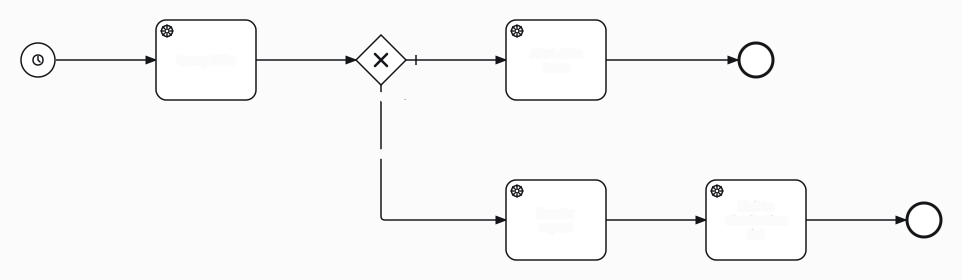
Scheduled KPI Report
A timer start event runs this process every day. It queries the warehouse, renders the KPI report and mails it to the distribution list; when the query comes back empty — usually a late upstream load — it alerts the data team instead of sending an empty report.
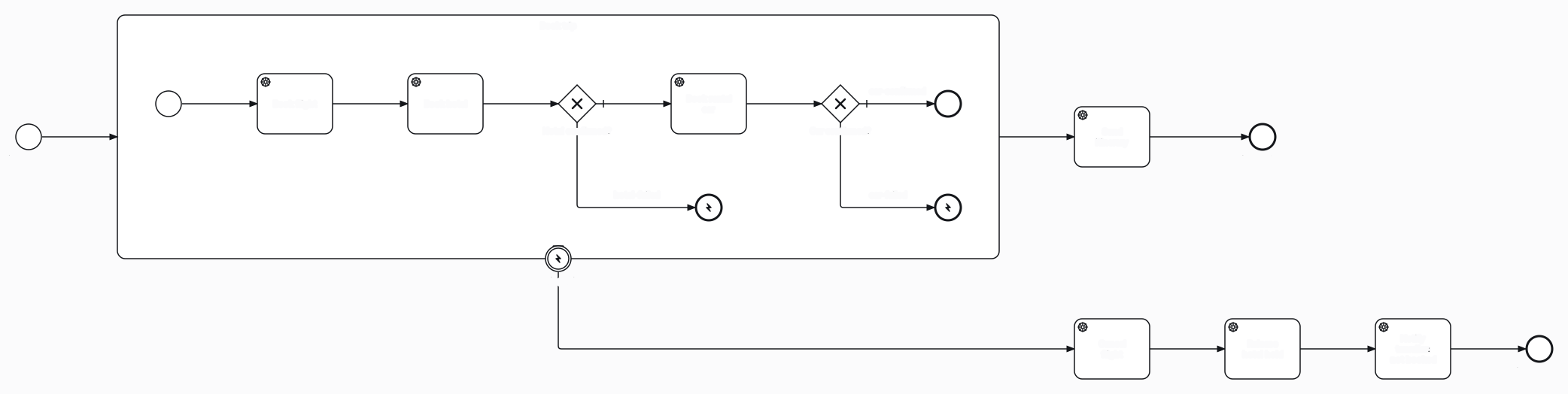
Travel Booking Saga
Books a flight, a hotel and a rental car as one unit of work without BPMN compensation events. The bookings run in a sub-process that throws BOOKING_FAILED as soon as a supplier cannot confirm; the error boundary then runs explicit, idempotent undo steps for everything that may already be held and tells the traveller. A trip where all three confirm gets its itinerary.
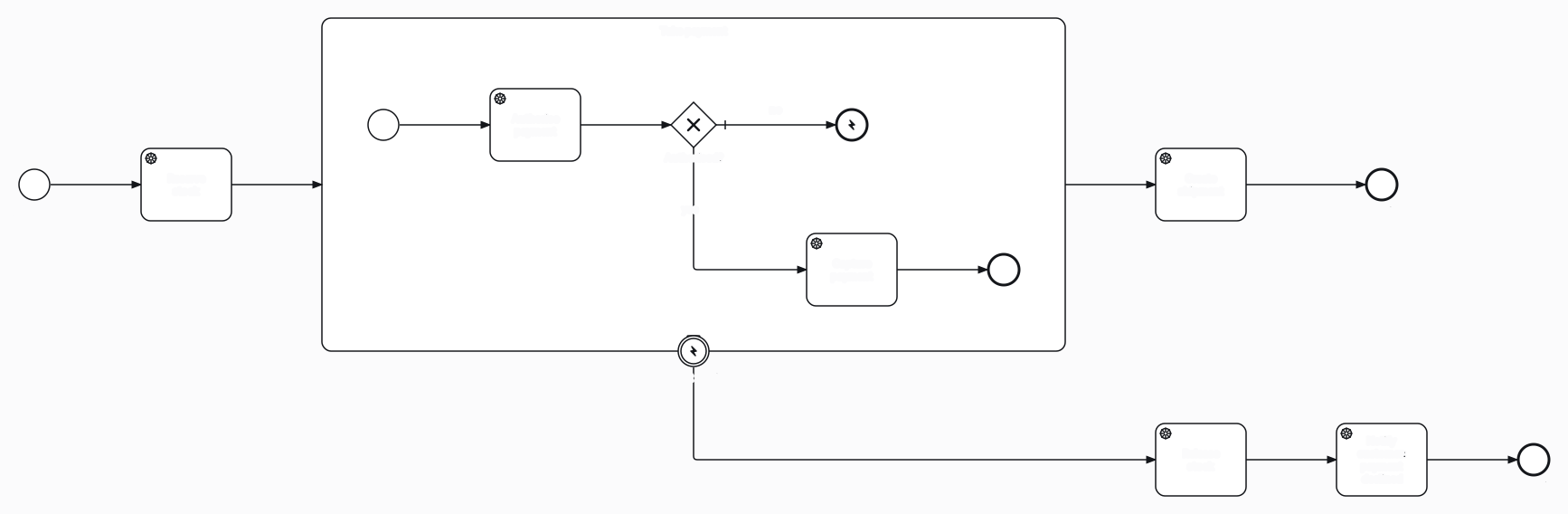
Checkout Payment Saga
Reserves stock before taking payment, so a paid order can always be shipped. Payment runs in its own sub-process — authorise, then capture — and a declined authorisation throws PAYMENT_DECLINED. The error boundary releases the reservation, which is the only thing to undo at that point, and tells the customer; a captured payment goes on to shipment.

Four-Eyes Change Review
A maker–checker loop for changes that need a second person: a maker prepares the change, a checker from a different group approves or sends it back, and a counter kept by a FEEL script stops the ping-pong after three rounds by escalating to the change board. Only an approved change is applied.
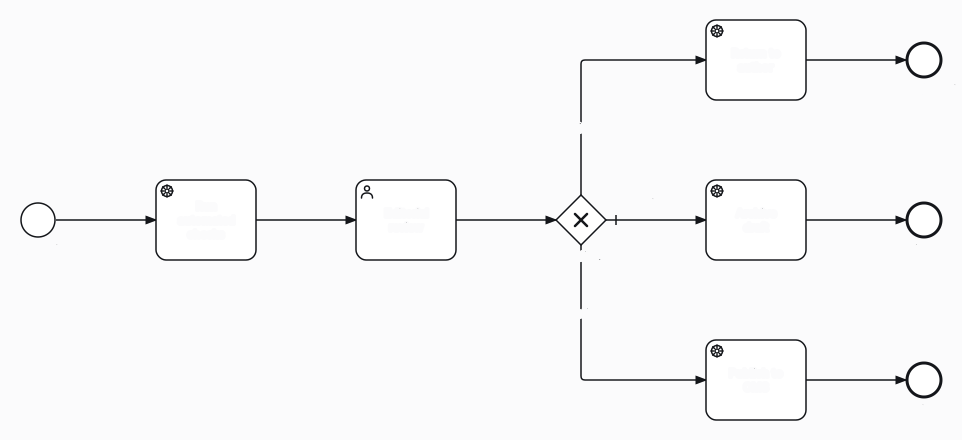
Editorial Content Review
Runs automated checks on a draft, then puts it in front of an editor with a Camunda form that records the verdict — publish, revise or reject — and a comment. The verdict routes the draft to the CMS, back to its author with the comment, or to the archive.
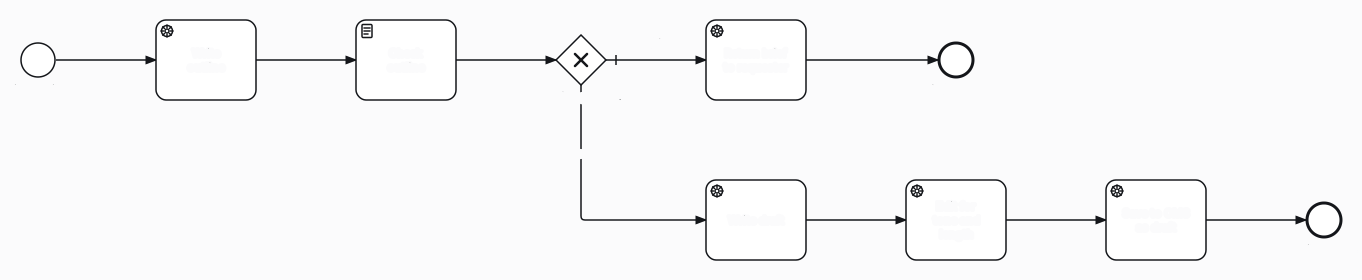
AI Prompt Chaining
Splits writing an article into three model calls — outline, draft, edit — each fed the previous step's output. Between the first two sits a programmatic gate, a FEEL script that checks the outline before any more tokens are spent; an outline that fails the gate sends the brief back instead of producing a weak article.
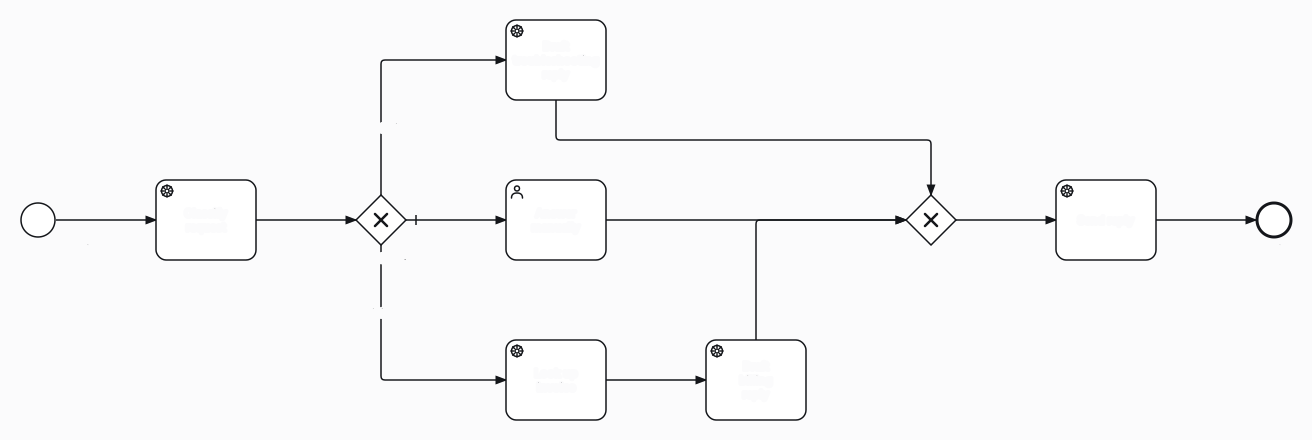
AI Routing
Classifies each incoming support message with one model call that returns JSON, then sends it down a path built for that kind of request: billing questions look the invoice up before a model drafts the answer, technical ones get a model prompted for troubleshooting, and anything else goes to a person. All paths finish at the same reply step.
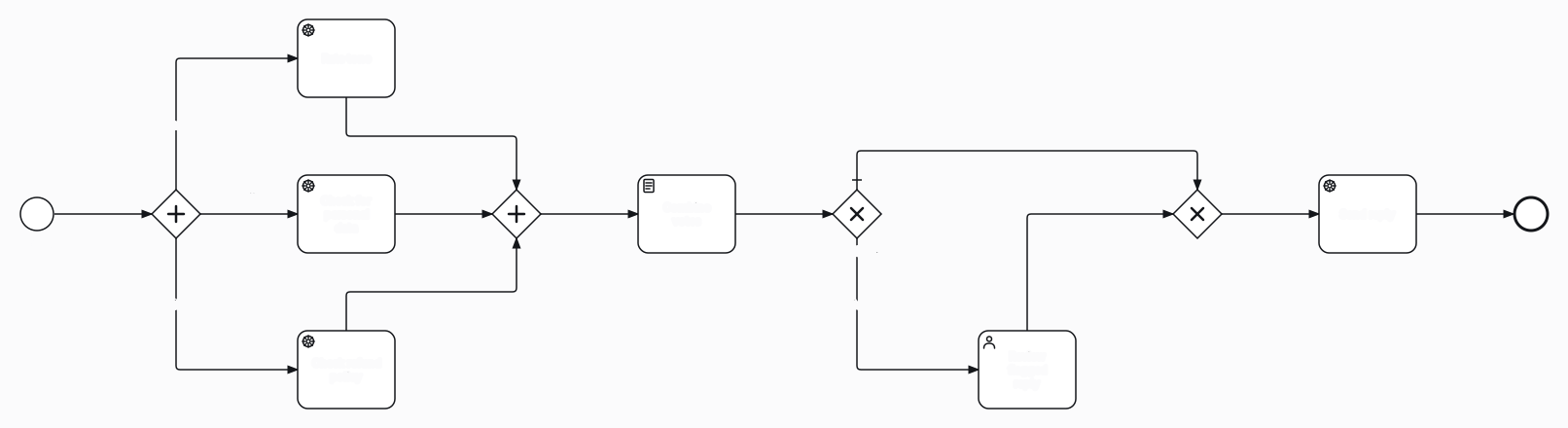
AI Parallel Guardrails
Runs three independent model checks on a drafted customer reply at the same time — personal data, policy and tone — and joins them before a FEEL script combines the votes. A reply every check passes is sent; one that any check flags waits for a human reviewer. Sectioning the checks keeps each prompt small and the latency that of the slowest call.
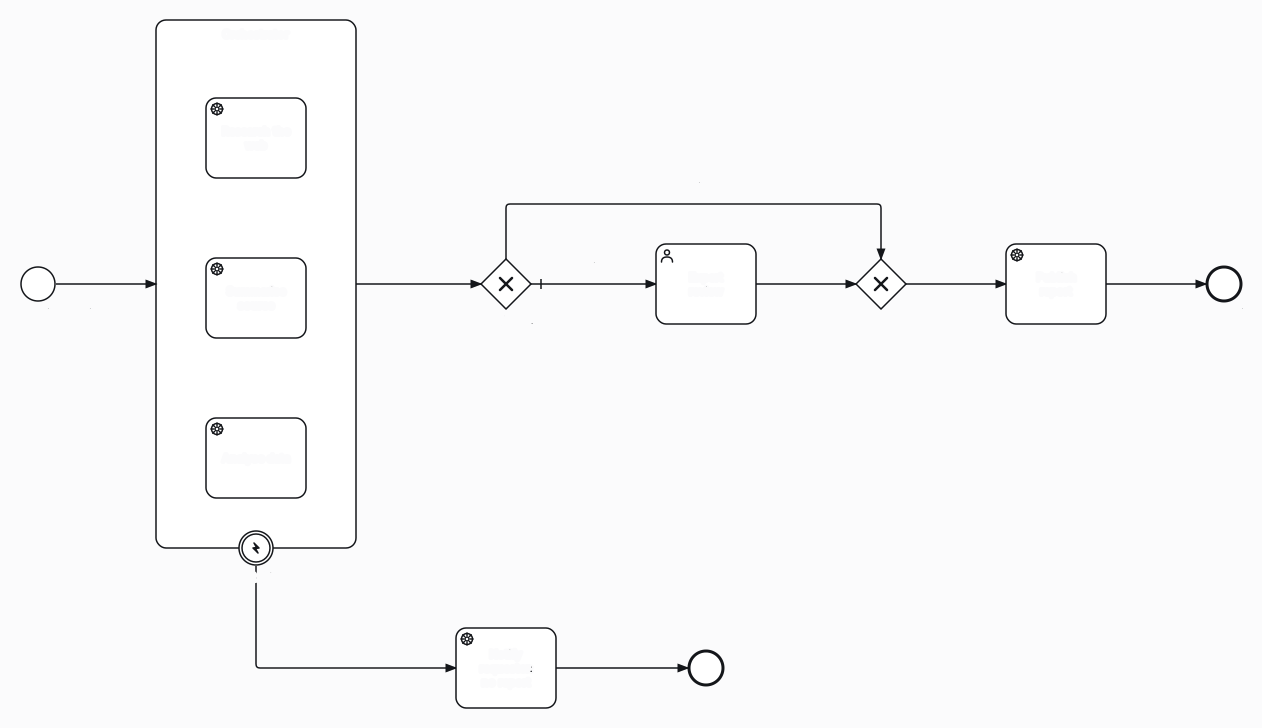
AI Orchestrator–Workers
An orchestrator agent breaks a research question into subtasks it cannot know in advance and hands each to a worker. It is an AI Agent Sub-process whose tools are themselves model calls — a web researcher, a source summariser and a data analyst — whose instructions the orchestrator writes with fromAi(). A report the orchestrator is not confident in goes to an expert before publishing.

AI Evaluator–Optimizer
One model call writes, a second grades the result against the brief and explains what to fix, and the feedback goes into the next attempt. The loop ends when the grade reaches 8 of 10; a FEEL counter caps it at three attempts, after which a human editor takes over, so a hard brief cannot burn tokens forever.

AI Proposal with Human Approval
Lets a model propose how to resolve a customer complaint but keeps a person in charge of anything costly. The proposal comes back as JSON; small goodwill gestures are executed straight away, while refunds over 100 wait for a support lead who approves or rejects them. Nothing irreversible happens on the model's word alone.
AI Agent with Tools
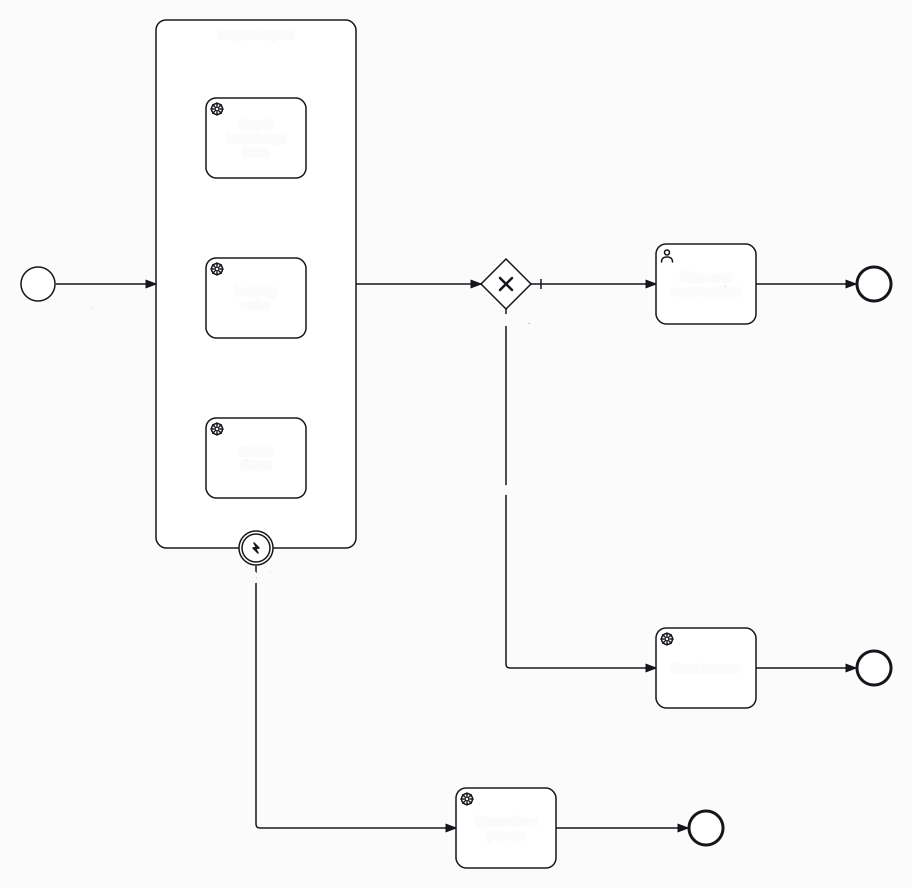
A customer-service agent built on Camunda's AI Agent Sub-process connector. The ad-hoc sub-process holds the tools — knowledge-base search, order lookup and ticket creation — and the connector loops: call the model, run the tools it picks, feed the results back, until it answers. The answer is sent when the agent says the case is resolved; otherwise a person takes over.